Venues
Heritage at Sportsman's Park
Heritage at Sportsman's Park planning in Glendale and Greater Phoenix should identify the right venue fit, the likely venue path, and the field handoffs before pricing or production assumptions harden.
Glendale Sports and Entertainment District matters here.
- Glendale Sports and Entertainment District
- Heritage at Sportsman's Park
- Planners, exhibitors, venue teams, and service partners
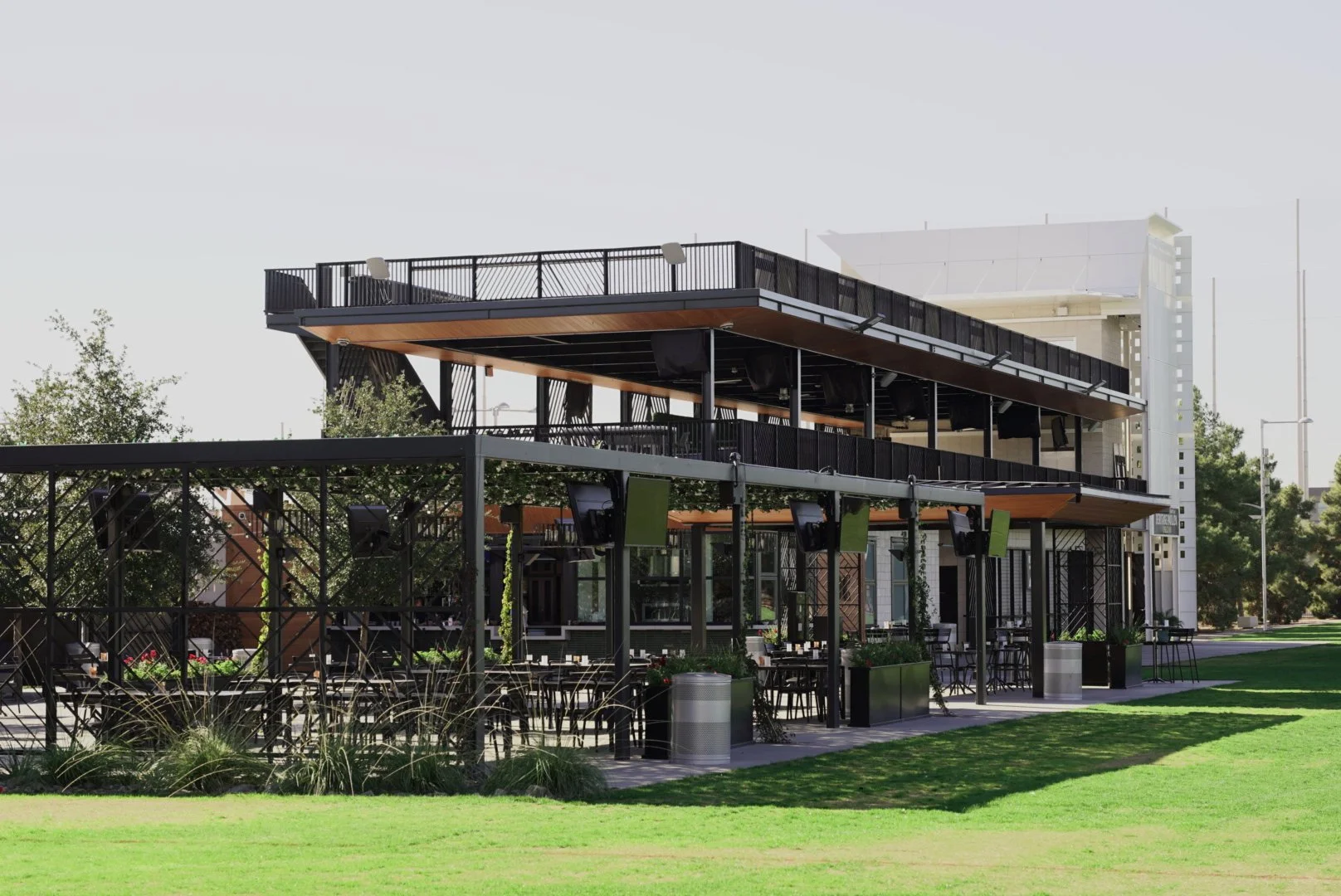
Heritage at Sportsman's Park planning priorities
Glendale Sports and Entertainment District
Heritage at Sportsman's Park
Planners, exhibitors, venue teams, and service partners
Room and campus fit for Heritage at Sportsman's Park
Heritage at Sportsman's Park should be scoped from the real operating conditions around Glendale Sports and Entertainment District, not from a generic trade-show checklist.
For this venue, the practical question is whether room access, service partners, show utilities, and on-site approvals can stay coordinated once the project reaches the floor. If those pieces are split across vendors without a clear lead, the event can still look organized in planning documents while becoming slow and expensive during load-in.
Name the single owner for schedule, venue communication, and change control.
Confirm which items must be priced before floor plan approval.
Separate required scope from optional polish so the estimate is easier to adjust.
Verified venue details across Glendale Sports and Entertainment District
Glendale Sports and Entertainment District changes how Heritage at Sportsman's Park should be planned. This is why the page points to Heritage at Sportsman's Park, State Farm Stadium, Club Lounges at State Farm Stadium, Desert Diamond Arena instead of treating every Greater Phoenix room as interchangeable.
That kind of detail affects more than travel copy.
Match the scope to the district before confirming the vendor mix.
Use venue-specific access notes to set realistic production deadlines.
Plan for traffic, heat, parking, and hotel movement where they affect the live day.
Load-in and service coordination without loose handoffs
The dependable version of Heritage at Sportsman's Park is designed around handoffs that can survive pressure: freight release to dock arrival, dock arrival to installation, installation to technical check, and closeout to return routing.
This matters for planners, exhibitors, venue teams, and service partners because the audience never sees the planning chart. They see whether the booth opens cleanly, whether staff can work the space, whether content fires on time, and whether the room stays calm when adjustments are needed.
Write the first-load-in sequence and the strike sequence as separate plans.
Connect graphics, AV, and labor milestones to one shared calendar.
Keep a clean escalation path for venue approvals, missing materials, and late changes.
Program types that fit for live-room pressure
Heritage at Sportsman's Park has to hold up after the doors open.
Official private-events section says the venue can host gatherings from 60 people to events of 6,000 on the Great Lawn.
Review the booth from attendee, staff, photographer, and service-crew positions.
Check where cases, personal items, samples, and lead-capture hardware will live.
Schedule a technical or graphics review before the final install window.
Pre-show decisions before quote approval
A quote for Heritage at Sportsman's Park should show what is included, what is assumed, and what is still dependent on the venue or show manual.
The section says the venue sits alongside State Farm Stadium.
List unresolved show-manual items before final approval.
Flag assumptions that affect labor hours, material handling, or technical support.
Confirm who can approve changes once the team is on site.
Heritage at Sportsman's Park schedule control
Heritage at Sportsman's Park should have visible dates for design, production, shipping, warehouse staging, on-site install, open hours, strike, and return.
In Glendale and the Valley, the schedule also has to respect district travel and venue congestion. A Westgate activation, a downtown Phoenix convention, a Scottsdale expo, and a Mesa conference may all use similar services, but they do not move on the same clock.
Tie every milestone to an owner, deadline, and dependency.
Build in review time before materials leave the warehouse.
Protect strike and return routing instead of treating closeout as an afterthought.
Heritage at Sportsman's Park buyer conversation
For Heritage at Sportsman's Park, start with the event date, likely venue, booth footprint, show manual status, freight origin, storage needs, technical requirements, staffing model, and any sponsor or executive moments that cannot fail in public.
If the likely venue is Heritage at Sportsman's Park, use the venue profile to test whether the room supports the desired footprint and guest experience. That keeps the first estimate closer to the real job.
Bring the event date, venue status, and show manual if available.
Share brand, demo, storage, AV, and hospitality requirements early.
Ask for a plan that explains handoffs, not simply a list of deliverables.
Where Heritage at Sportsman's Park connects next
Heritage at Sportsman's Park usually connects to several nearby decisions: venue choice, booth format, service depth, rental inventory, graphics production, and labor planning.
The section explicitly lists annual meetings, product launches, training seminars, conferences, networking events, and award ceremonies among the use cases. That note can be useful when comparing Heritage at Sportsman's Park, State Farm Stadium, Club Lounges at State Farm Stadium, Desert Diamond Arena because it gives the team a concrete planning condition instead of a vague market claim.
Related venue pages confirm room and access assumptions.
Service pages separate design, production, labor, and logistics scope.
Location pages compare Westgate, downtown Phoenix, Scottsdale, and East Valley timing.
Heritage at Sportsman's Park planning questions
Q: What makes Heritage at Sportsman's Park different in the Glendale market?
Heritage at Sportsman's Park is formed by Glendale Sports and Entertainment District.
Q: Which venues are most relevant for Heritage at Sportsman's Park?
Heritage at Sportsman's Park, State Farm Stadium, Club Lounges at State Farm Stadium, Desert Diamond Arena are useful starting points.
Q: What should be confirmed before pricing Heritage at Sportsman's Park?
Confirm venue status, event dates, booth size, freight origin, storage needs, graphics deadlines, AV needs, labor assumptions, and who can approve changes. For this venue, room access, service partners, show utilities, and on-site approvals should be visible before the estimate is treated as final.
Q: How does verified research affect the plan?
Experience Glendale reports the city offers 16 hotels, nearly 1,900 rooms, and venue meeting space ranging from 185 to 600,000 square feet. That kind of detail should influence timing, access, room-block planning, and service depth instead of sitting unused in background research.
Q: Can Heritage at Sportsman's Park support multi-show or repeat programs?
Yes, but the system has to be built for repeat use.